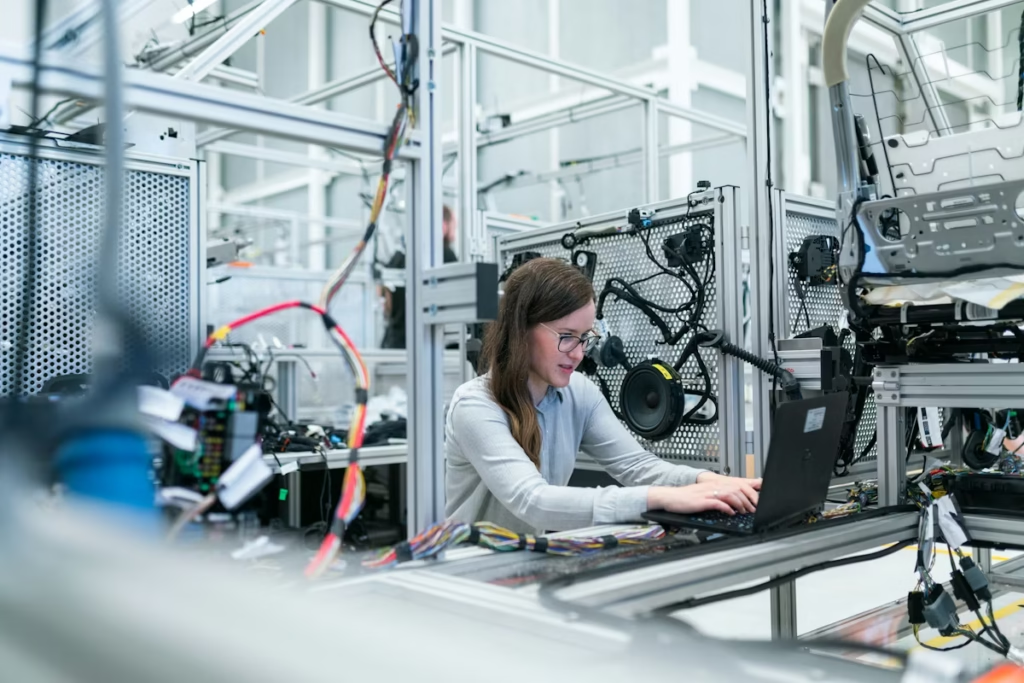
The industrial market segment is experiencing steady growth fueled by automation, digital transformation, and reshoring of manufacturing operations,particularly across North America. Demand for advanced robotics, smart machinery, and connected industrial systems is increasing as companiespursue higher productivity, quality, and supply chain resilience. Industry 4.0 adoption, including IoT-enabled equipment, predictive maintenance, anddigital twins, is driving efficiency while enabling real-time operational visibility. Growth is further supported by infrastructure investments, renewableenergy integration, and increased production capacity for critical sectors such as aerospace, energy, and heavy equipment. However, the segment faceschallenges including skilled labor shortages, cybersecurity risks, capital cost pressures, and the need to meet evolving sustainability and emissionsregulations. To support continued expansion, companies should invest in automation and flexible manufacturing systems, strengthen regional suppliernetworks, enhance workforce training in advanced manufacturing and industrial technology, and integrate sustainable practices such as energy-efficientoperations and materials recycling. These actions create opportunities in localized production of industrial components, AI-powered operationalanalytics, advanced materials development, and industrial service models that combine equipment, data, and long-term performance support.
